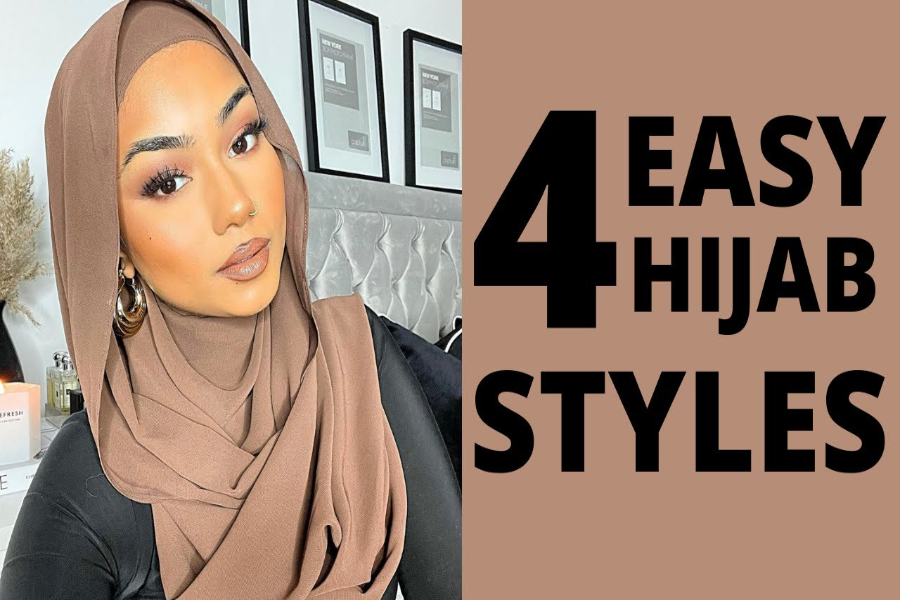
How to put on a hijab is a common question for beginners. A hijab can feel hard at first, but it becomes easy with practice. You only need the right scarf, a simple undercap, and a style that feels comfortable for your face shape.
Many women learn how to put on a hijab by trying simple daily styles first. You do not need a perfect look on the first day. The goal is to cover neatly, feel confident, and move through your day with comfort.
How To Put On A Hijab Scarf
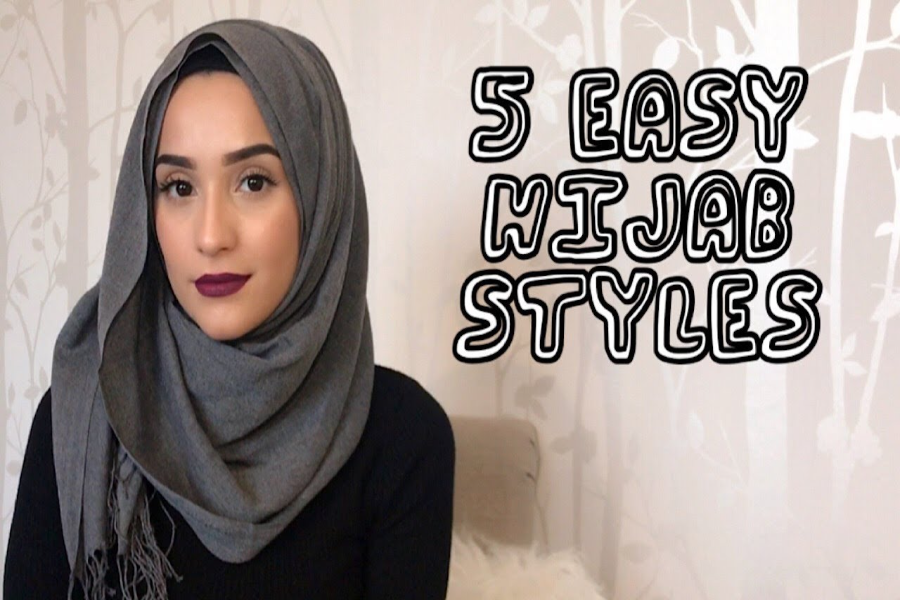
How to put on a hijab scarf starts with choosing the right fabric. Chiffon, jersey, cotton, and modal are popular choices. Jersey is soft and easy for beginners because it stays in place well. Chiffon looks elegant but may need pins or an undercap.
First, place the scarf over your head with one side longer than the other. Make sure both sides frame your face nicely. Pull the scarf under your chin and secure it gently if you are using a pin or magnet. This basic step helps the hijab stay steady.
Next take the longer side and wrap it around your neck. Bring it over the shoulder or around the head depending on your style. This is one of the easiest ways to learn how to put on a hijab without making the look too complicated.
Finally adjust the front near your cheeks and chin. Keep the fabric smooth but not too tight. A good hijab should feel secure and breathable. With daily practice, how to put on a hijab scarf becomes a natural routine.
How To Put On A Hijab Without Pins
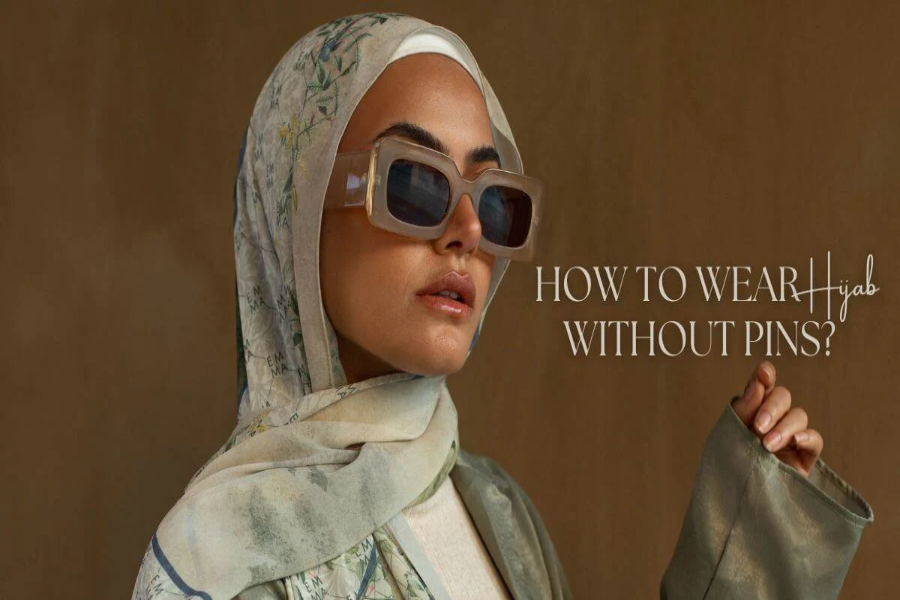
How to put on a hijab without pins is helpful when you want comfort and safety. Pin-free styles are also useful for schoolwork, travel, or quick daily wear. They can reduce fabric damage and make the hijab easier to remove.
To learn how to put on a hijab without pins, choose a non-slip scarf. Jersey and ribbed cotton are great choices. You can also wear an undercap to stop the scarf from sliding. The undercap gives the scarf a better grip.
Place the scarf on your head with one side short and one side long. Cross both sides under your chin. Then wrap the long side around your neck and let it fall over your shoulder. Tuck the short side under the wrapped fabric.
You can also use a hijab magnet instead of pins. Magnets are gentle on fabric and easy to use. But if you want a fully pin-free look, use soft, stretchy fabric and careful tucking. This makes how to put on a hijab without pins simple and neat.
How To Put A Hijab On Your Head
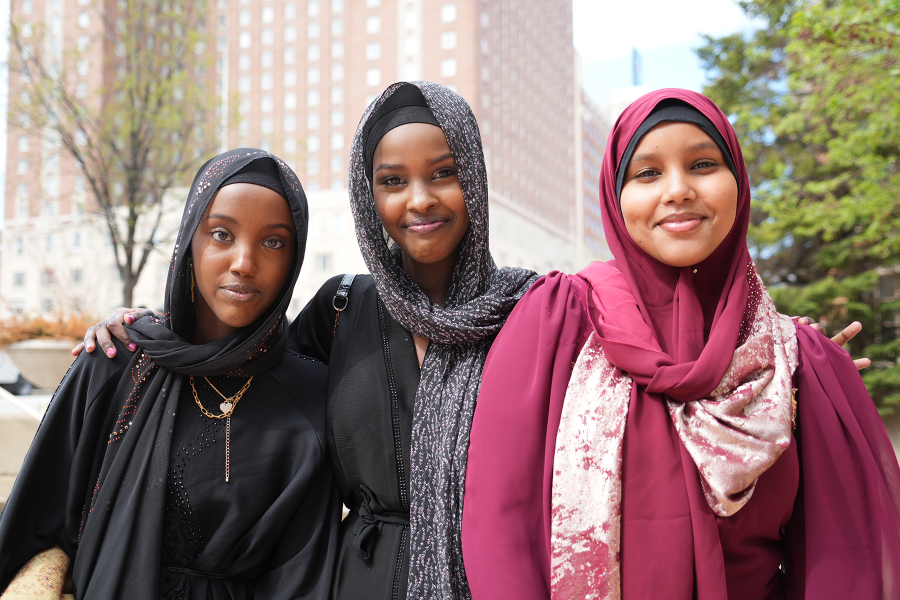
How to put a hijab on your head depends on the style you want. Some women prefer a tight face frame. Others like a loose flowy look. Both can be modest and beautiful when worn with care.
Start by brushing or tying your hair neatly. If your hair is long, put it in a low bun or braid. Avoid a very high bun if you want a natural shape. Then wear an undercap if needed. This step makes how to put on a hijab easier for beginners.
Place the scarf evenly over your head. Check that the front edge sits where you like it. Some people place it close to the hairline. Others bring it slightly forward. The best position is the one that feels secure and looks balanced.
After that bring both ends near your shoulders. Wrap or tuck based on the style. Adjust the fabric around your face. Make sure your neck is covered if that is your goal. How to put a hijab on your head becomes easier when you follow the same steps each time.
Simple Everyday Hijab Style For Beginners
A simple everyday style is best when you are still learning how to put on a hijab. It does not need many folds or layers. It works well for schoolwork, errands, and daily life.
Use a medium-length scarf for this style. Put it on your head with one side longer. Secure under the chin with a magnet or tuck it without pins. Wrap the long side once around your neck. Let the end fall over the shoulder.
This style is easy because it gives coverage without too much fabric. It also stays comfortable for many hours. If the scarf slips, add an undercap or choose a softer-textured fabric.
Beginners should avoid very slippery scarves at first. Satin and silky fabrics can move around a lot. Start with cotton jersey or modal. These fabrics make how to put on a hijab feel less stressful.
Best Fabrics For A Comfortable Hijab
Fabric choice can change the whole experience. When learning how to put on a hijab beginners should use fabrics that stay in place. A good fabric saves time and helps the style last longer.
Jersey is one of the easiest fabrics. It stretches well and often does not need pins. Cotton is breathable and good for warm days. Modal is soft, light, and smooth. Chiffon is stylish but may need extra support.
Think about weather too. In hot weather, choose light, breathable fabric. In cold weather choose thicker cotton jersey or layered styles. Comfort matters because you may wear the hijab for many hours.
Read more: Dhani Harrison Net Worth 2026, How He Built a $20 Million Career
Color also matters for daily use. Neutral colors match many outfits. Black, beige, white, brown, navy, and gray are easy options. Once you feel confident with how to put on a hijab you can try printed or bold scarves.
Final Thoughts
How to put on a hijab is simple when you start with easy styles. Choose a comfortable scarf. Use an undercap if needed. Place the scarf neatly. Wrap or tuck it gently. Adjust the face frame until it feels right.
The best hijab style is the one that feels secure, modest, and comfortable for your day. Try pin styles and no pin styles. Practice with different fabrics. Over time how to put on a hijab will become quick, natural, and beautiful.
FAQs About How To Put On A Hijab
Q1. How do beginners learn how to put on a hijab?
Beginners can learn how to put on a hijab by starting with a simple wrap style. Use a soft scarf and practice the same steps every day.
Q2. What scarf is best for learning how to put on a hijab?
Jersey cotton and modal scarves are good for beginners. They are soft, comfortable, and easier to keep in place.
Q3. Can I wear a hijab without pins?
Yes. You can wear a hijab without pins by using jersey fabric, an undercap, and simple tucking. Hijab magnets can also help.
Q4. How do I stop my hijab from slipping?
Wear an undercap and choose a non-slip scarf. Avoid very silky fabric when you are still learning.
Q5. How tight should a hijab be?
A hijab should feel secure but not tight. It should not cause pain, pressure, or headaches.
Q6. Do I need an undercap for hijab?
You do not always need one, but an undercap helps keep the scarf steady. It is useful for slippery fabrics or long days.
Q7. How long does it take to learn how to put on a hijab?
Most beginners improve after a few days of practice. Simple styles can become quick once you learn the basic steps.
